
What is the Fairbanks Sustainability Plan?
What is the goal?
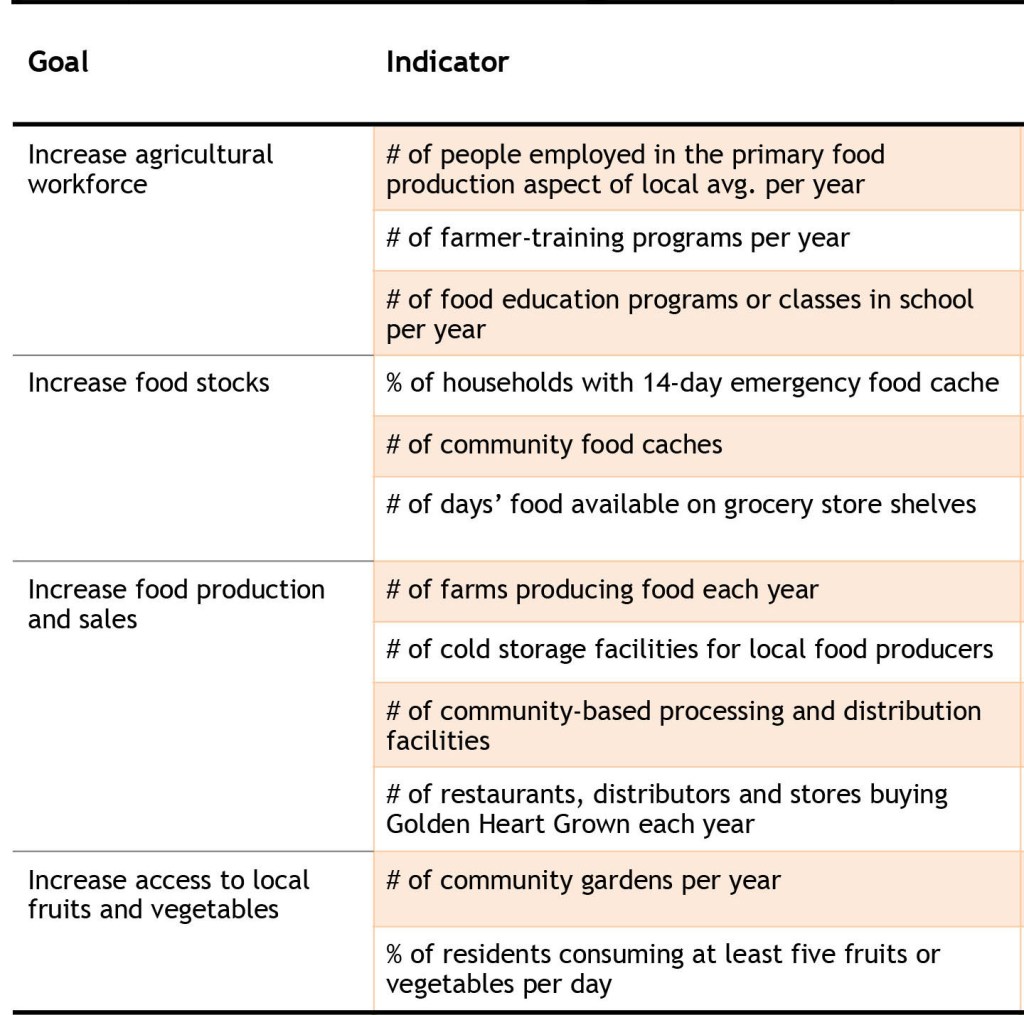
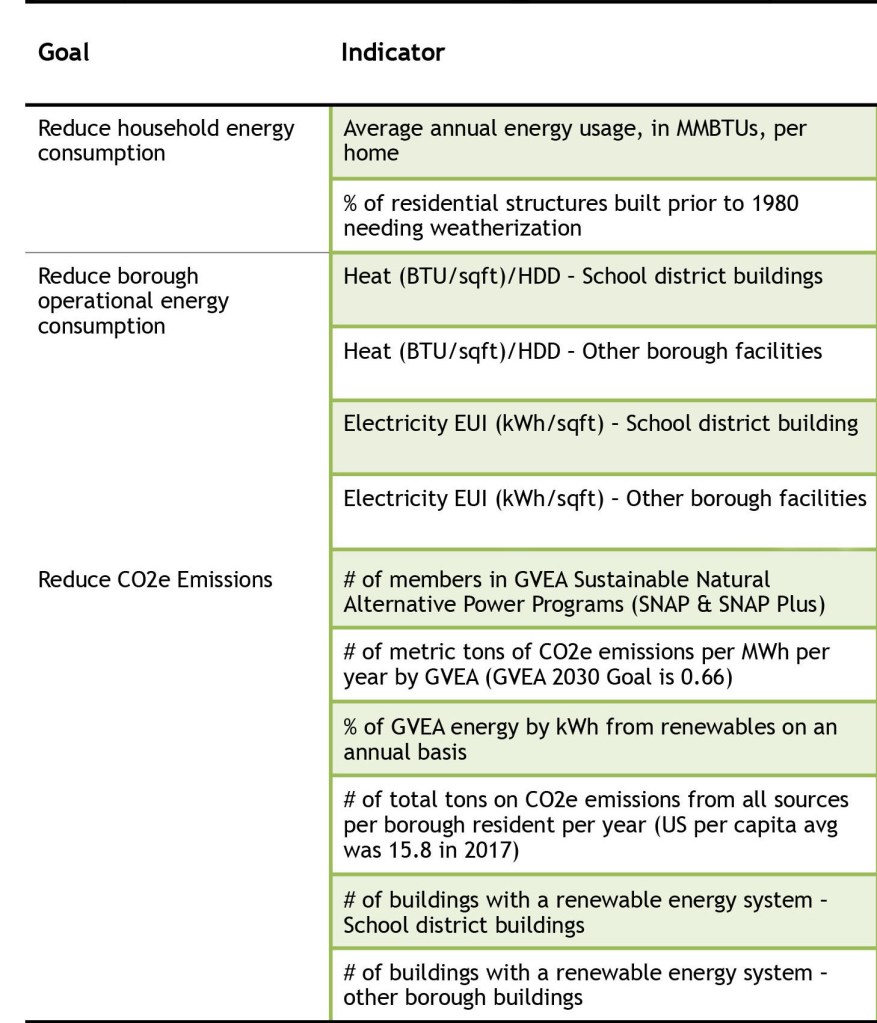
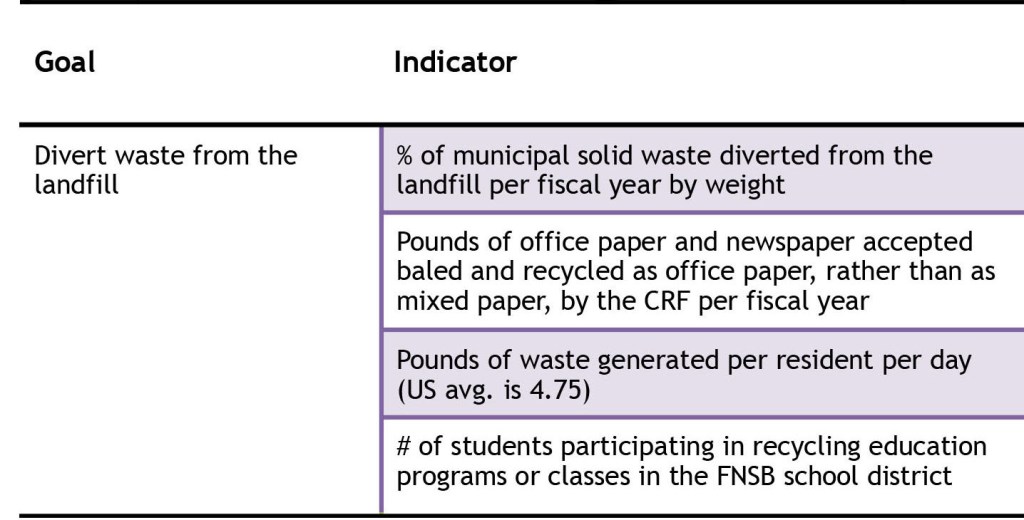
Sustainability is generally described as meeting the needs of the present without compromising the ability of future generations to meet their needs. The Sustainability Commission worked with the community to identify three main areas of focus: Food, Energy and Waste. Goals and indicators are the heart of the plan. Whereas the goals set benchmarks toward addressing the issues, the indicators represent specific, measurable actions that can track progress toward meeting those goals. Click “learn more”, beneath each of the three focus groups to read about the indicators that have been chosen as a way to measure progress towards a more sustainable Fairbanks community.
Fairbanks Sustainability Goals: 2018 – 2028
FOOD

The most vital goals of making a sustainable food system in Fairbanks are increasing local food production and decreasing reliance on imported food.
ENERGY

Fairbanks citizens spend twice the national average on energy, and have on average the highest energy bill in Alaska. Energy efficiency is key to tackling this issue.
WASTE

Diverting waste from landfills is an essential part of reducing the stress landfills have on the environment. Recycling is the main way to divert waste.

Prepared in 2018 by the Fairbanks North Star Borough Sustainability Commission in partnership with University of Alaska Southeast and George Washington University
 Sustainable Fairbanks