

Energy security means the ability of residential and community energy systems to function optimally, reliably, and sustainably. The average annual energy cost for a home in the Borough is over twice the national average. A contributing factor is the number of heating degree days (HDD) in the Borough compared to the rest of the US. According to the Energy Information Administration, “heating degree days are a measure of how much colder than a building interior (65°F) the outside air temperature was on a given day or during a period of days.
Renewable, clean energy from geothermal, hydro, solar and wind sources is considered the most secure and sustainable energy option for Alaska. However challenges prevent complete community‐wide integration. An additional problem for residents is above‐average energy costs impact household buying power and contribute to food insecurity. Ultimately, the greater the energy efficiency of a structure, the less energy will be needed.

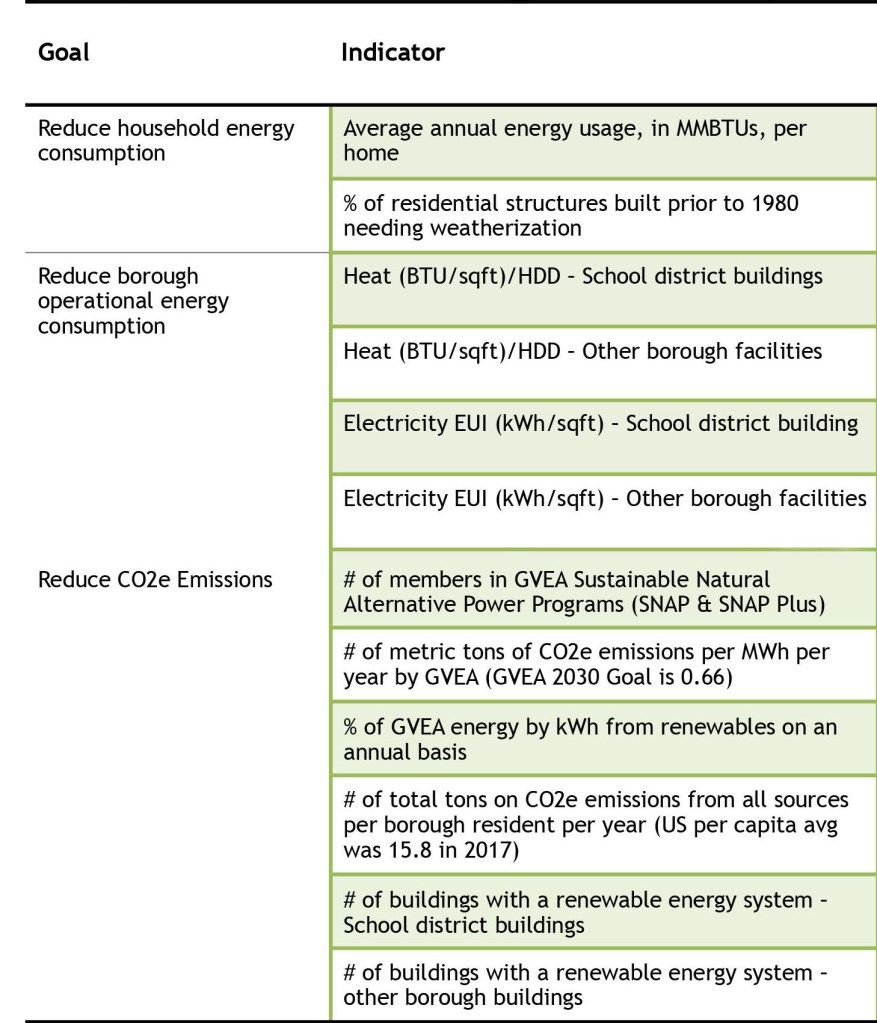
Energy Security Goal 1: Reduce Household Energy Consumption
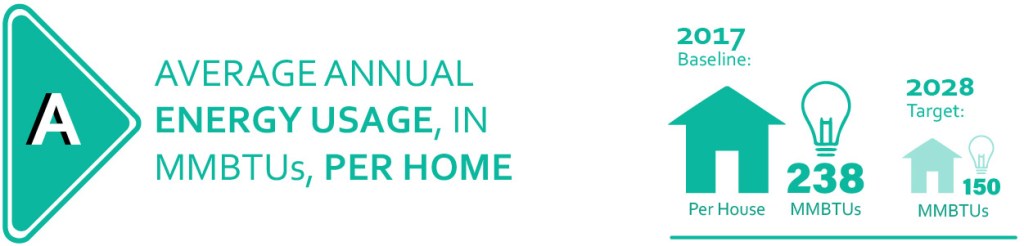
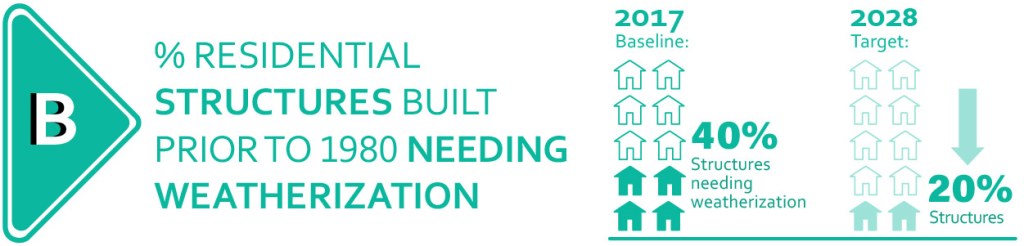
Household energy consumption is one of the most important aspects of life in the interior. A homeowner can be less reliant on others by reducing consumption. In 2017, the average annual energy cost per home in the Borough was $5,292. In fact, the percentage of Borough households paying more than 30% of their annual salary on rent/mortgage, heat and electricity in 2017 was 36% ‐ the highest in Alaska.

Energy Security Goal 2: Reduce Borough Operational Energy Consumption
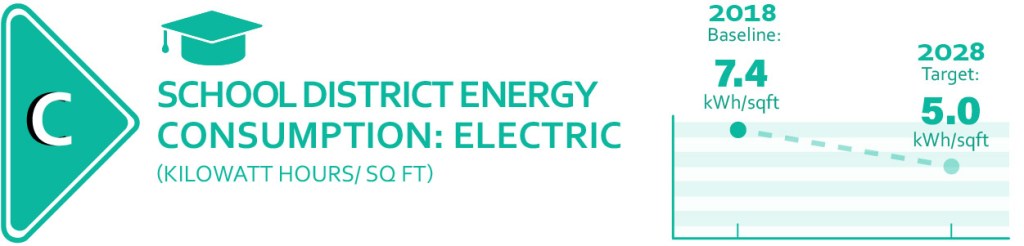
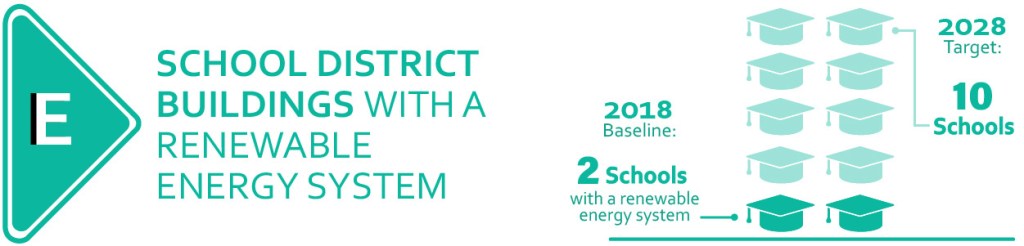
The Borough owns and operates dozens of facilities that total approximately 3.1 million square feet. In Fiscal Year 2018 over $9,771,000 was spent on utilities for school district and other buildings. Older facilities generally consume more energy for heating and lighting. It’s important to note that schools and non‐school buildings have very different energy requirements. While schools shut down in the summer months, and provide mainly classroom space, other Borough facilities operate year round and house energy‐intensive systems, such as pools and ice rinks. Due to this, a disparity in energy intensity per square foot is expected. Nonetheless, improvement in energy efficiency is possible for all building types and services. To account for the addition of new facilities and removal of old facilities, the overall Energy Use Index (EUI) is used as an indicator. The EUI is calculated by dividing total Borough energy consumption by the total square footage of operational facilities and then by Heating Degree Days (HDD). Reducing heat energy and electricity usage will reduce Borough expenses and CO2e emissions.
Heating Degree Days (HDD) is a measure of how cold the temperature was on a given day or during a period of days. For example, a day with a mean temperature of 40°F has 25 HDD. Two such cold days in a row have a total of 50 HDD for the two‐day period.




Energy Security Goal 3: Reduce CO2e Emissions
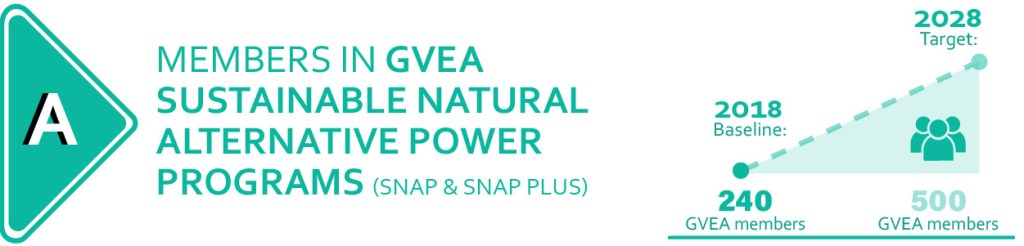
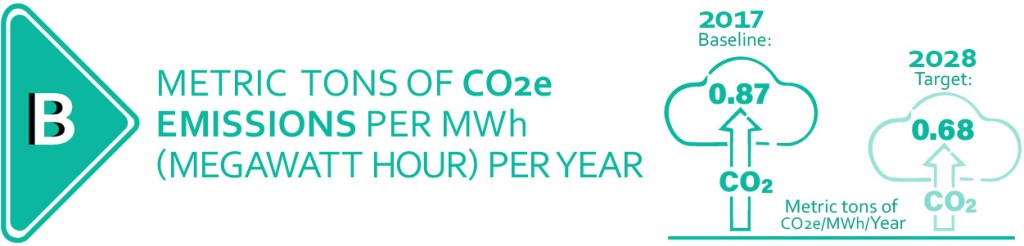
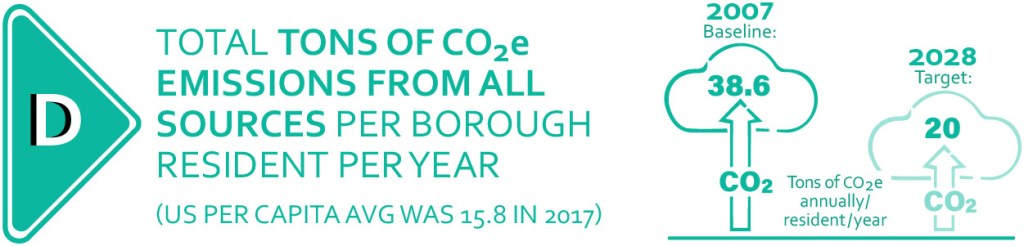
The impacts of climate warming are particularly acute in the arctic and subarctic. Fairbanks climate has warmed dramatically in the past several decades. Permafrost throughout the Interior including under roads and homes is melting. Because of warmer air in the atmosphere, summer precipitation is trending upward. At the 2018 annual meeting of Golden Valley Electric Association (GVEA), the executive director stated, “Warmer, wetter summers have contributed to tree growth, so there is more vegetation to fall into power lines and cause outages.” Given the severe immediate and long‐term threat posed by these emissions, Fairbanks should increase the amount of renewable energy created in the Borough. It‘s very important that GVEA, the main distributor of electricity for residents, strive to reduce 26% of 2012 emissions by 2030.

Food

Energy

Waste

 Sustainable Fairbanks