


Alaskan food culture has changed. We have become less healthy and drastically less independent. In 1955 Alaskans produced roughly half of their food, now roughly 95% is imported with an estimated 90% coming through the Port of Anchorage. In the event of supply disruption, it’s estimated that grocery store stocks would be empty in three to ten days. Access to local foods, especially fruits and vegetables, reduces food insecurity and obesity. The goals and indicators help us measure how we are doing and what areas we need to work on in order to reach the goal of greater food sustainability.

Food Security Goal 1: Increase the Agricultural Workforce
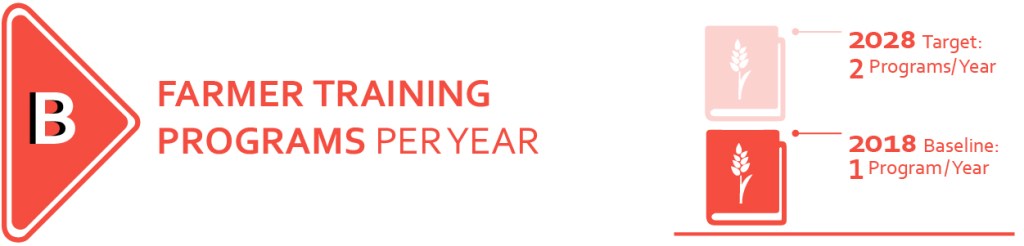
Increasing the number of agricultural workers is a high‐priority goal in the Borough. Monitoring the number of people employed in the primary food production aspect of local agriculture and the number of farmer training and food education programs or classes might help track progress toward this goal.



Food Security Goal 2: Increase Food Stocks
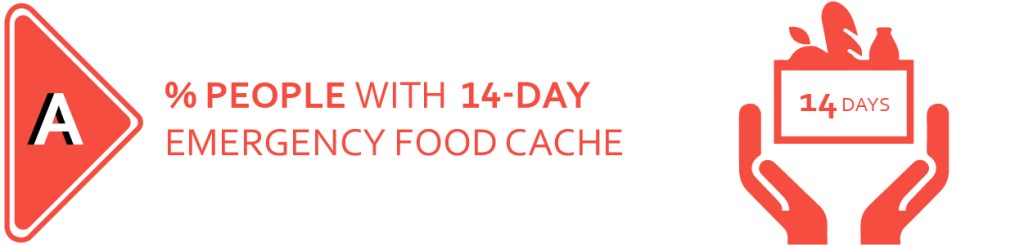
The potential disruption of the food supply chain is a concern. It’s possible many residents do not maintain a personal food cache as recommended by FEMA. A food cache is a dry space with non‐perishable food items and drinking water. The percentage of households with a 14‐day emergency food cache and the number of community food caches seem essential indicators for measuring progress toward this goal.


Food Security Goal 3: Increase Food Production and Sales
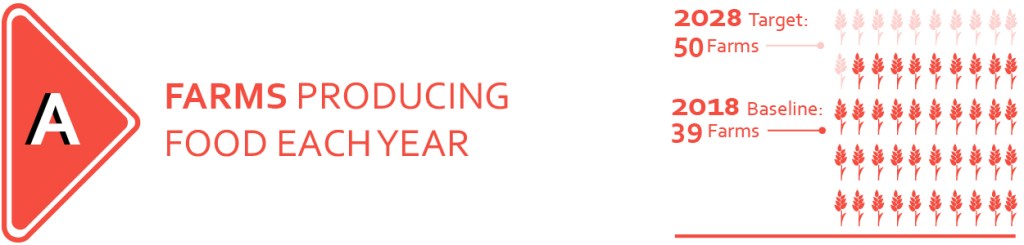
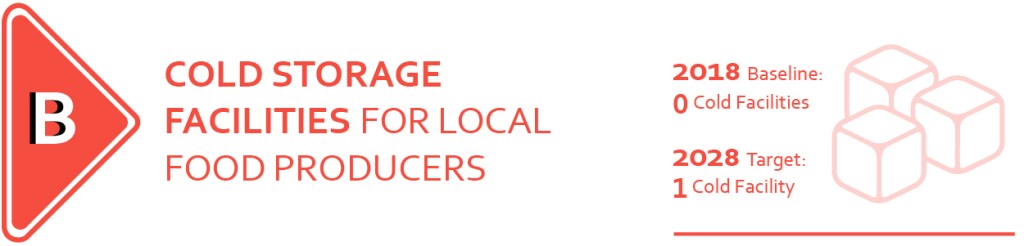
Another way to increase resilience to food supply chain disruption is through increased production, harvest, storage, processing, and distribution of local foods. In 2018, 22 farms inside the Borough and 17 outside (but in the Interior) produced a variety of fruits, vegetables, honey, eggs, meat and dairy products. Barriers exist to growing more food locally and moving those products into grocery stores. Recommendations to the State Legislature on food security includes creating infrastructure, such as cold storage and warehouse space, to house food stocks outside the growing season. Cold storage, marketing and sales coordination are believed to be barriers to increasing local foods in grocery stores. Currently most sales are direct via Farmer’s Markets, purchase at the gate, or “U‐pick.”


Food Security Goal 4: Increase Access to Local Fruits and Vegetables
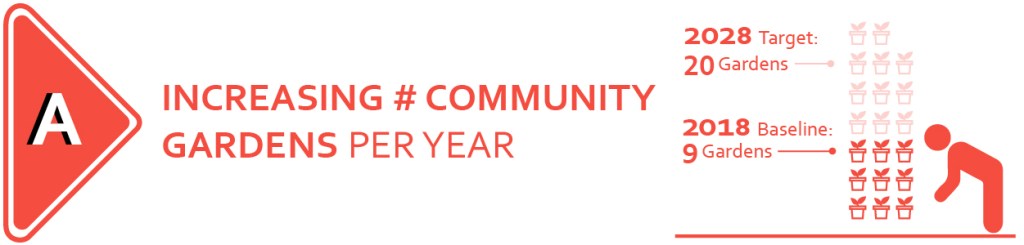
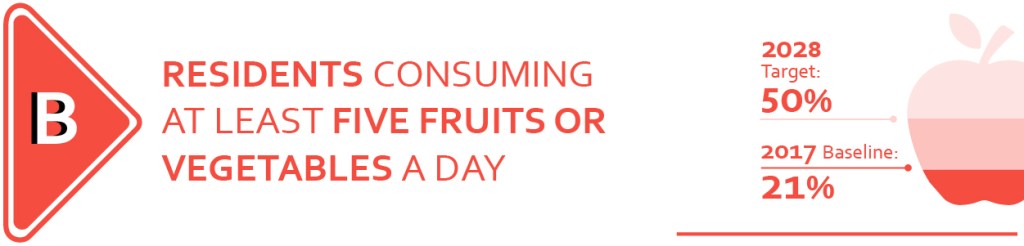
A daily diet of less than five fruits or vegetables can contribute to poor health and obesity. Approximately 10% of residents do not have consistent access to an adequate amount of fruits and vegetables without assistance. To achieve this food security goal, the Commission believes the number of personal and community gardens should increase and the percentage of people consuming five fruits or vegetables per day needs to increase.
Food

Energy

Waste

 Sustainable Fairbanks